
NORBIT Aptomar delivers integrated oil spill detection through SeaCOP Core Platform. With SeaDarQ fully integrated into SeaCOP, operators can identify spills early, monitor developments continuously, and support response and compliance in one shared operational picture.
Environmental awareness in one operational picture
Oil spill response depends on more than detection alone. Operators need to identify spills early, understand how they develop, verify events, and coordinate follow-up actions efficiently. Built on SeaCOP Core Platform, NORBIT Aptomar’s oil spill detection solutions bring detection, monitoring, and response support into one environment.
Explore SeaCOP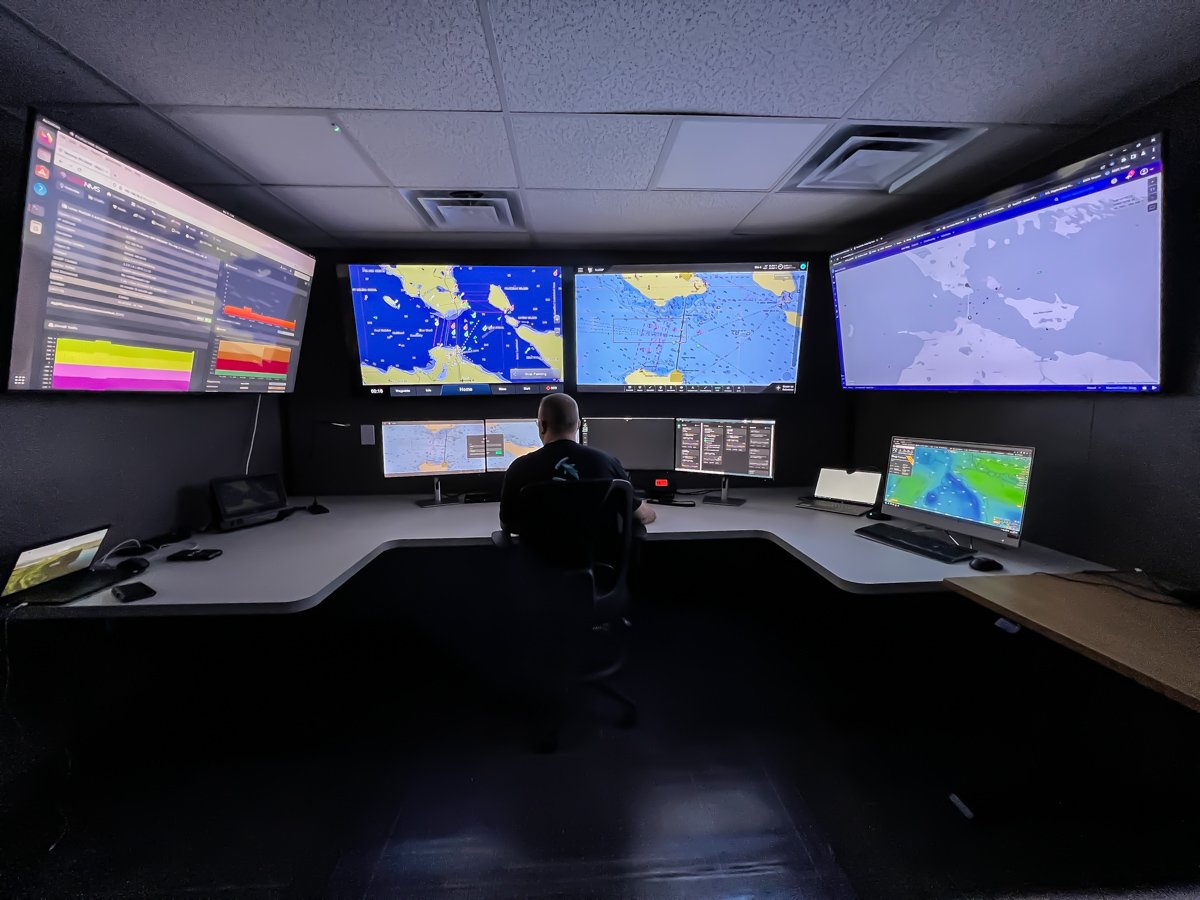
Built for Detection and Response
NORBIT Aptomar’s oil spill solutions help organizations move from awareness to action through one connected platform.
Detect early
SeaDarQ analytics support early identification of oil on the water surface.
Monitor development
Track how spill events change over time to support informed decisions.
Correlate and verify
Verify detections using SECurus or SeaView cameras and understand in context by relating them to vessel activity, zones and other operational data.
SeaDarQ integrated into SeaCOP
SeaDarQ is NORBIT Aptomar’s oil spill detection capability, fully integrated into SeaCOP Core Platform. This allows oil spill detection (OSD) to be managed within the same environment used for wider maritime situational awareness.
That means spill events can be understood in relation to vessel traffic, operations, and response priorities rather than as isolated detections.
Using a high-resolution marine X-band radar, SeaDarQ can automatically detect and monitor oil spills on the ocean surface. Using a combination of fast update rates, high horizontal resolution and low detection limits, the SeaDarQ oil spill system meets industry best practices and is in use worldwide protecting the marine environment. Oil spills are detected automatically, and the advanced algorithms identify even the smallest spills and reduce false alarms to a minimum.
How does it work?
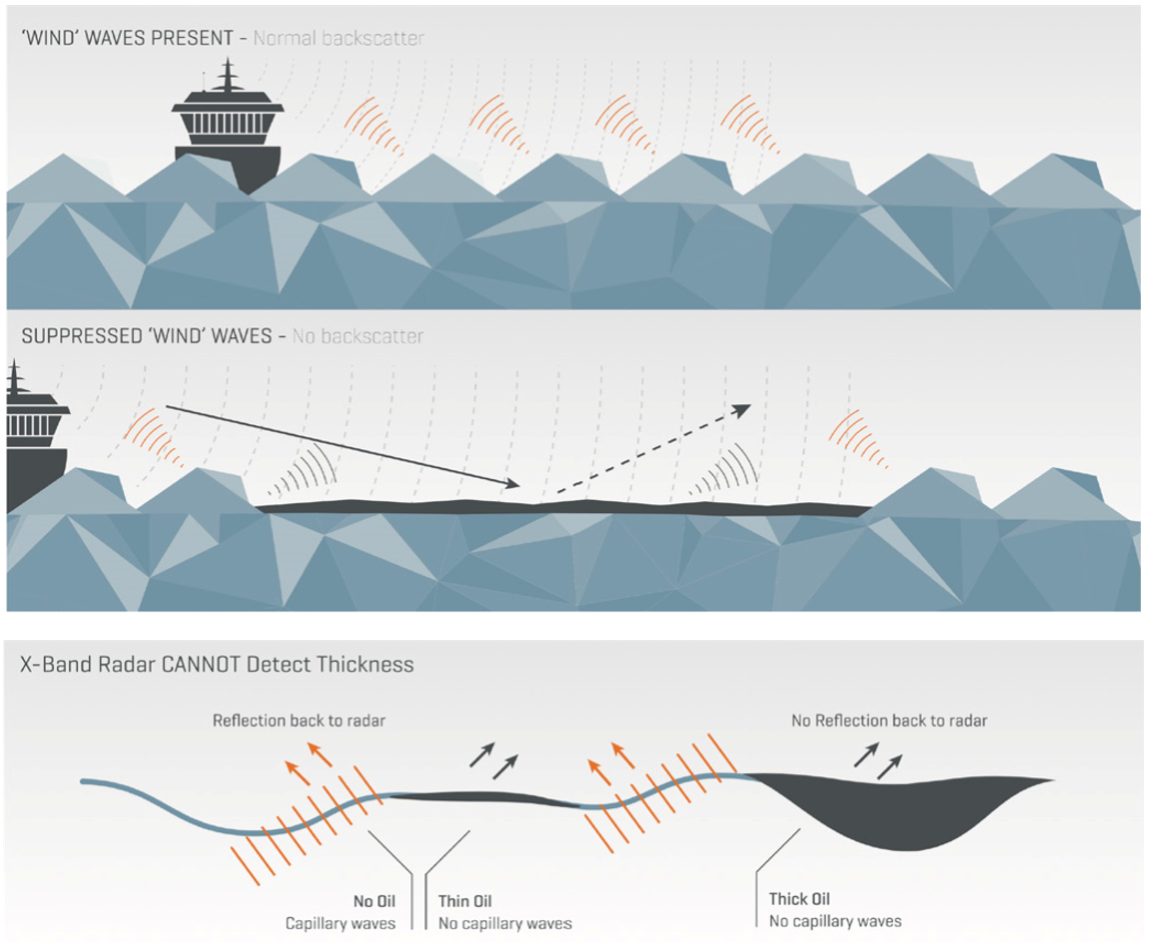
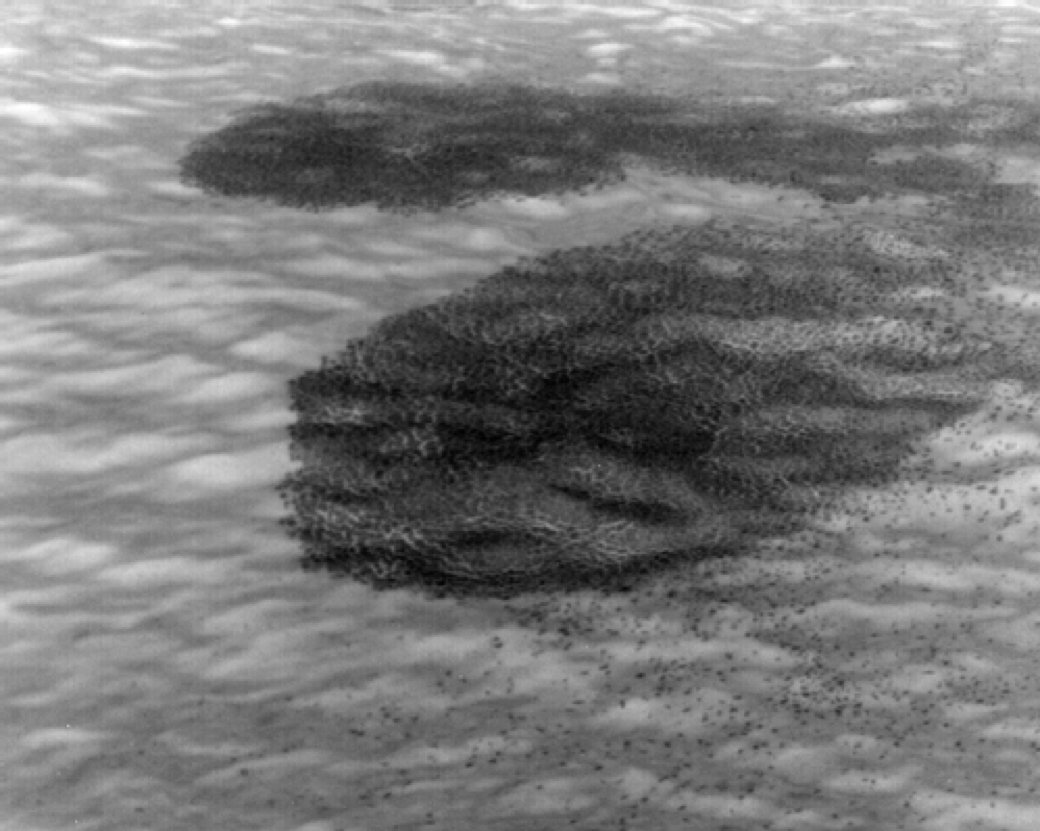
The OSD Radar Processor monitors capillary waves caused by wind over the ocean surface by detecting radar backscatter. Oil on the water suppresses these waves, resulting in reduced backscatter, which the system flags as a potential oil spill.
Once detected, the radar calculates the size, drift speed, and direction of the slick. It operates effectively in wind conditions between 2 and 12 m/s.
Combining OSD radar with an EO camera provides a superior solution, as each sensor compensates for the other’s limitations. Infrared cameras, cooled or uncooled, offer the most cost-efficient way to assess relative oil thickness.