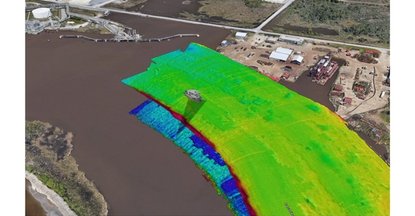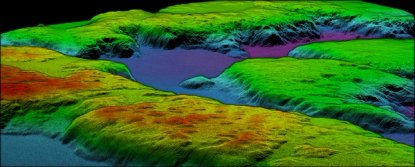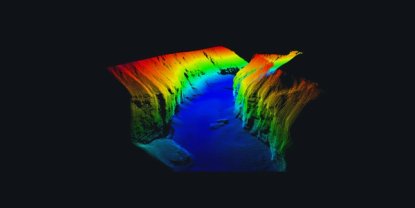
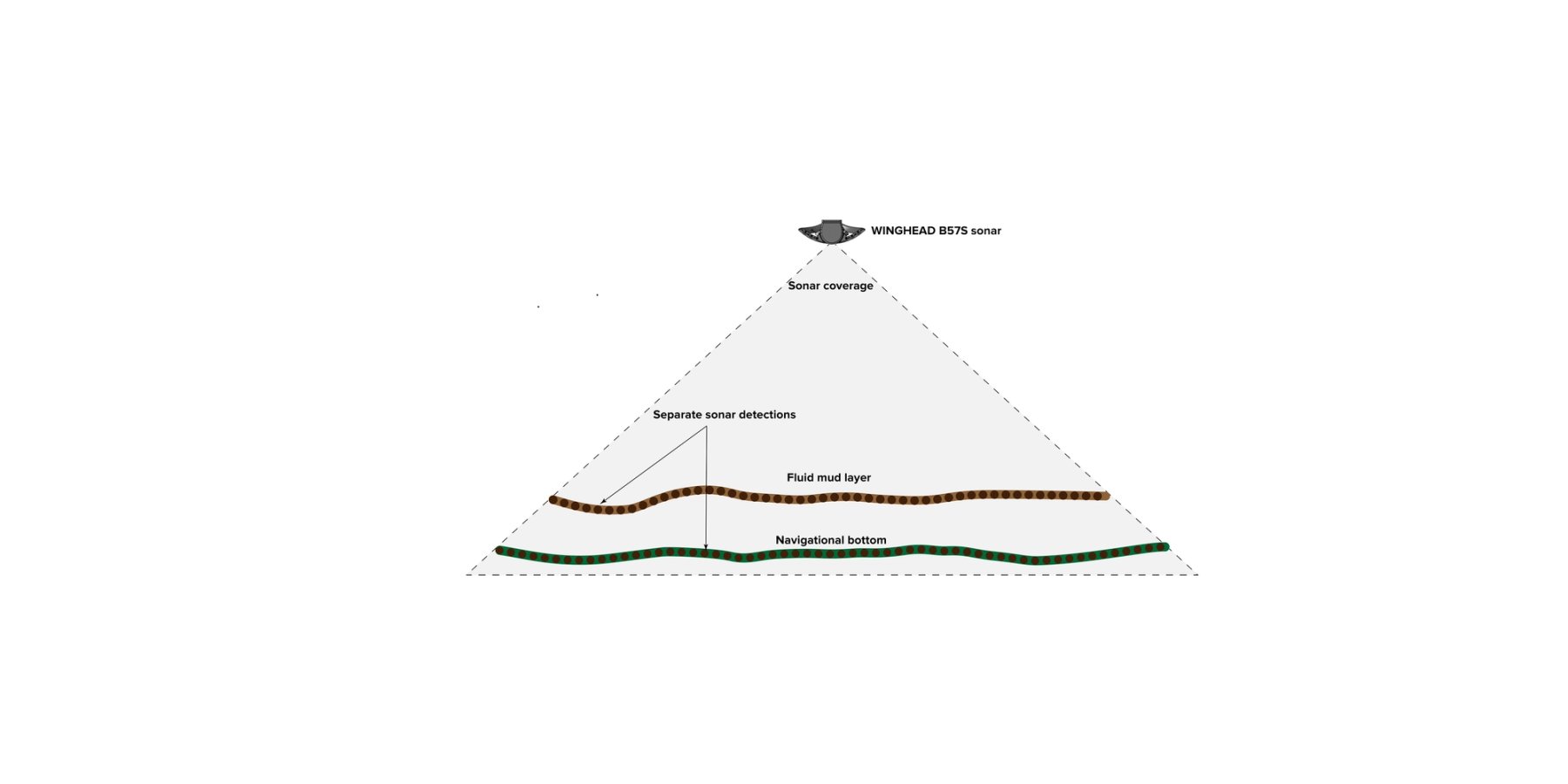
The presence of suspended sediments in water bodies presents significant challenges for the dredging industry. Existing methods to determine nautical depths are intrusive single-point methods relying on in situ density or shear strength measurements 1,3 or low-frequency singlebeam echosounder recordings 1,2. The use of single-beam echosounders is however, systemically problematic as they are not practical in satisfying the CATZOC A1 coverages required for contemporary electronic navigational charting.
By Dr Pawel Pocwiardowski, NORBIT
Read the full article on Hydro-International:
Surveying for a CATZOC A1 navigable bottom in the presence of fluid mud